
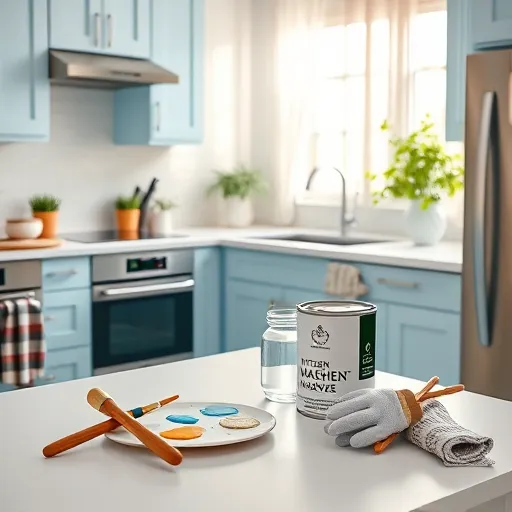
Step by Step Guide to Painting Kitchen Cabinets | Transform Your Kitchen
Why Choose a Rustic Style for Your Kitchen Cabinets?
The charm of rustic kitchens lies in their warm, inviting atmosphere and the timeless appeal of natural textures and colors. When you embrace a rustic style, your kitchen transcends mere functionality and becomes a welcoming heart of your home. Painting kitchen cabinets is an effective way to infuse this character without tearing down walls or overhauling the entire space. A step by step guide to painting kitchen cabinets tailored to rustic preferences ensures that you achieve a look that feels handcrafted yet durable.
Rustic kitchens often celebrate imperfections—weathered wood, distressed finishes, and earthy tones—that bring authenticity. Pairing painted cabinets with reclaimed wood accents or vintage hardware can complete the aesthetic. For those seeking professional transformation beyond cabinetry, exploring kitchen remodeling services can help expand your rustic vision into a full kitchen overhaul.
What Are the Essential Preparations Before Painting Your Kitchen Cabinets?
Preparation is the cornerstone of any successful cabinet painting project, especially when pursuing a rustic finish known for its textured and aged feel. A step by step guide to painting kitchen cabinets wouldn’t be complete without emphasizing vital preparations.
- Remove Cabinet Doors and Hardware: Dismantle all cabinet doors, drawers, and hardware carefully. Label each piece to simplify reassembly.
- Clean Thoroughly: Use a degreaser to remove kitchen grime, oils, and dust. Clean surfaces ensure paint adhesion and a smoother finish.
- Sand the Surfaces: Sand your cabinets with medium-grit sandpaper to eliminate glossy finishes and roughen surfaces, allowing paint to grip better. For a rustic effect, you might intentionally leave slight imperfections.
- Repair Damage: Fill cracks, dents, or chips with wood filler. Sand smooth once dried to maintain an even painting surface.
- Mask and Protect: Tape off walls, countertops, and floors with painter’s tape and drop cloths to avoid stray paint drips.
Which Tools and Paint Types Work Best for Painting Kitchen Cabinets the Rustic Way?
Choosing the right materials is crucial for both the longevity and aesthetic of your kitchen cabinets. Here’s what you need in your rustic cabinet painting toolkit:
- Paintbrushes: Opt for high-quality angled brushes for detail work and flat brushes for larger surfaces. Natural bristle brushes work beautifully with oil-based paints for a textured finish.
- Rollers: Foam rollers offer smooth coats for flat areas, but rough-textured rollers can contribute to a rustic feel.
- Sandpaper: Medium to fine grit, ranging from 120-220 grit, blends smooth yet keeps natural wood grain visible.
- Paint Type: Chalk paint or milk paint is often favored in rustic kitchens due to matte finishes and natural pigments, which lend an authentic aged look. Alternatively, satin enamel or acrylic latex paints provide durability with some sheen.
- Sealer or Wax: A protective topcoat such as a clear wax, polyurethane, or water-based sealer preserves the paint and accentuates rustic textures.
How Do You Apply Paint to Achieve a Rustic Finish? (Step by Step Guide to Painting Kitchen Cabinets)
Follow these steps carefully to create a kitchen cabinet look that embodies rustic charm.
- First Coat Application: Apply a primer if your cabinets are heavily stained or if you’re switching from dark to light paint. This step enhances paint adhesion and color vibrancy. Use even brush strokes and work along the wood grain.
- Dressing the Surface: Once primer dries, lightly sand the surfaces with fine-grit sandpaper to smooth out raised grain or brush strokes. Wipe away dust with a tack cloth.
- First Paint Coat: Apply your first paint coat carefully. For rustic styles, allow brush marks to remain slightly visible—this adds character. Work slowly to avoid drips and paddle brush marks.
- Drying Time: Let paint dry thoroughly according to manufacturer instructions. Patience is key to a durable finish.
- Second Coat and Distressing: Apply a second paint coat for better coverage. When dry, distress edges and panel corners with fine sandpaper to reveal underlayers or wood, creating that worn, time-loved look common in rustic kitchens.
- Protective Finish: Seal your work with wax or a matte polyurethane to secure the paint and enrich texture without losing rustic softness.
This step by step guide to painting kitchen cabinets ensures you transform worn or outdated kitchen cabinetry into standout rustic features with soul.
How Can You Refresh Your Entire Kitchen to Match Rustic Cabinets?
Painting cabinets is just one element of crafting a cohesive rustic kitchen. To enhance the effect and unify your space, consider:
- Flooring: Natural wood, reclaimed barn wood, or textured stone flooring complements rustic cabinetry beautifully. Learn more about flooring options and installation at Atlantis Kitchen & Bath of Jupiter Flooring Services.
- Kitchen Countertops: Incorporate materials such as butcher block, soapstone, or honed granite that add warmth and earthiness to your kitchen.
- Hardware and Fixtures: Use wrought iron or antique brass handles and knobs to underscore the rustic theme.
- Lighting: Soft, warm lighting fixtures with wrought metals or mason jar-style designs add rustic ambiance.
- Backsplash and Walls: Incorporate natural stone, beadboard, or reclaimed wood backsplashes to tie the kitchen together.
- Professional Design: Atlantis Kitchen & Bath offers expert interior designing to create personalized rustic kitchen environments that maximize comfort and style.
What Are Some Common Challenges When Painting Kitchen Cabinets and How Do You Overcome Them?
Painting kitchen cabinets can be rewarding but comes with pitfalls. Here’s our rustic-inspired insight on overcoming common issues:
- Paint Peeling or Chipping: Prevent by properly sanding and priming surfaces before painting. Use quality paint and sealants designed for cabinetry.
- Uneven Coverage: Thin, multiple coats produce better results than thick, heavy layers. Use smooth, steady brush strokes.
- Brush Marks: Use high-quality brushes and roller combinations. Sand lightly between coats to smooth imperfections while maintaining rustic texture.
- Long Drying Times and Dust: Paint in a dust-free environment and allow ample drying to ensure durability.
Where Can I Find Professional Help for a Rustic Kitchen Makeover Beyond Cabinet Painting?
If you want your rustic kitchen dreams to flourish beyond cabinets, Atlantis Kitchen & Bath of Jupiter offers full-service kitchen remodeling with rustic expertise and craftsmanship. From custom cabinetry to flooring, lighting, and plumbing adjustments, their skilled team breathes life into your vision.
Learn about their kitchen remodeling packages designed to unify rustic elements with modern convenience. Whether you seek gentle updates or comprehensive renovations, professional assistance ensures your kitchen stands the test of time in both function and style.
FAQ About Painting Kitchen Cabinets with a Rustic Style
How long does it take to paint kitchen cabinets using a rustic technique?
The overall process typically spans several days, factoring in cleaning, sanding, priming, multiple paint coats, drying time, and distressing. Allow at least 3–5 days for best results.
Can I use latex paint for a rustic cabinet finish?
Absolutely. High-quality latex paints offer durability and easier cleanup. Pair them with light sanding and distressing techniques to simulate rustic texture.
What kind of brushes do you recommend for painting rustic cabinets?
Natural bristle brushes work well with oil-based or chalk paints for textured finishes. Synthetic brushes and foam rollers are suitable with latex paints for smoother coats.
Do I need to remove cabinet doors before painting?
Yes. Removing doors and hardware facilitates thorough prep and even paint coverage, essential for a high-quality rustic finish.
Can I incorporate other remodeling tasks with cabinet painting?
Yes, combining cabinet painting with services like backsplash installation or flooring upgrades ensures a cohesive, revitalized rustic kitchen.